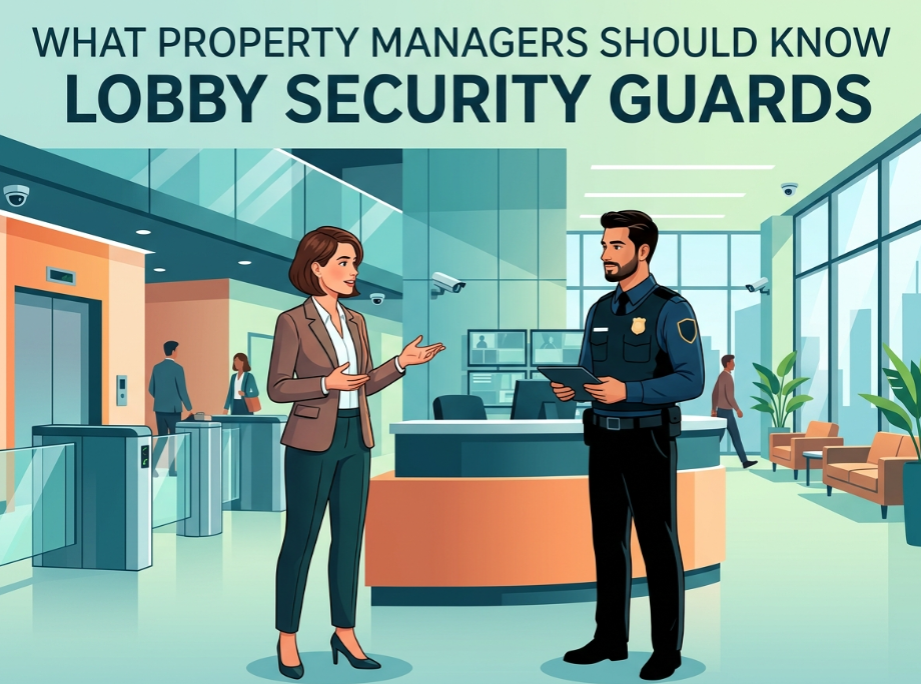
What Property Managers Should Know About Lobby Security Guards
A building lobby can look simple from the outside. Tenants walk in, visitors wait near the desk, vendors ask where to go, and deliveries come through during busy hours. But for a property manager, the lobby is one of the most important places in the whole building. If the front entrance is poorly managed, small problems can spread quickly.
That is where lobby security guards help. A trained front desk security officer keeps the entrance calm, checks who should be inside, helps tenants and visitors, and gives property managers a better handle on daily building activity.
At Ontyme Security, we help California properties build lobby coverage that feels professional, clear, and practical.
Why The Lobby Needs More Than A Friendly Front Desk
A lobby is not only a greeting area. It is the first place where strangers, tenants, contractors, delivery drivers, applicants, clients, and guests come together. People may arrive for different reasons. A few are expected. Others are not. Several may be confused, while a person may try to enter without permission.
A regular reception desk may answer questions, but reception security guards are trained to notice what does not look right.
A strong front desk security guard can help with:
- Checking visitors before they go upstairs
- Watching for people who follow tenants through doors
- Managing vendors and contractors
- Keeping the front desk lobby from becoming crowded
- Reporting safety concerns to property management
- Helping tenants feel that the building is being watched
For many office buildings and commercial properties, our commercial security services in California are designed to address this exact need.
What A Lobby Security Guard Actually Does During The Day
A good lobby security guard is not just sitting behind a security guard desk. The job changes throughout the day.
In the morning, the guard may watch tenant entry, visitor traffic, and elevator flow. During business hours, they may help with vendor check-ins, visitor badges, deliveries, and tenant calls. Later in the day, they may pay closer attention to after-hours access, parking concerns, or people waiting around the entrance.
Common front desk security guard duties include:
- Greeting visitors in a calm, professional way
- Confirming appointments before allowing access
- Checking IDs when the building requires it
- Managing sign-in sheets, passes, or a lobby security system
- Watching the lobby, elevators, stairwells, and side doors
- Noting repeat issues in daily reports
- Responding quickly when tenants ask for help
This is why front desk security works best when the guard has clear instructions, not vague expectations.
Access Control Is Where Lobby Security Makes The Biggest Difference
Most lobby issues start with access. Someone walks in behind a tenant. A delivery driver wants to go upstairs. A contractor says they were approved, but no one at the property is aware of it. A visitor waits too long and becomes upset.
Good lobby & access control security guards help slow that down and keep it organized.
A lobby guard can help control:
- Main entrance access
- Visitor check-in
- Tenant approvals
- Contractor entry
- Delivery drop-offs
- Elevator access
- After-hours building entry
- Unauthorized guests
Card readers and cameras are useful, but they do not replace trained eyes at the desk. A front desk security officer can ask the right question at the right time. That one step often prevents bigger problems.
Visitor And Vendor Control Should Feel Clear, Not Complicated
Property managers do not want a lobby that feels tense. Tenants also do not want every visitor treated like a problem. The goal is simple: make access clear.
A trained concierge security officer can manage the lobby with the right balance. The guard can welcome people, check the visitor list, call the tenant, issue a pass, and keep the person in the right area until approval is given.
That helps with:
- Client visits
- Food and package deliveries
- Maintenance vendors
- Cleaning crews
- Contractors
- Building inspectors
- Event guests
For properties with open public space, shared storefronts, or outdoor foot traffic, plaza security guards may also support the lobby team by watching nearby entry points and common areas.
A Good Lobby Guard Protects Tenant Comfort Too
Security is not only about stopping someone at the door. It is also about helping tenants feel that the building is under control.
Tenants notice when nobody is watching the entrance. They notice when strangers wait in the lobby for no reason. They notice when packages disappear, doors are left open, or after-hours access feels loose.
A front desk security guard helps property managers address these minor concerns before they escalate into complaints.
That can include:
- Helping tenants report suspicious behavior
- Watching for repeated loitering
- Keeping the delivery areas from becoming messy
- Noticing broken locks, lights, or doors
- Documenting arguments or disturbances
- Calling the right contact when something needs attention
This kind of front desk safety and security gives tenants more confidence in the building.
Reception Security Works Best With Written Desk Procedures
A lobby guard needs clear rules. Without them, the guard has to guess. That creates confusion for tenants, visitors, and property managers.
Strong front desk security procedures should explain:
- Who can enter without signing in
- Which visitors need tenant approval
- How badges or passes are handled
- What to do with deliveries
- When to deny access
- Who to call after hours
- How to handle upset visitors
- When to write an incident report
This is where security reception becomes part of daily property management. The guard is not only watching the desk. The guard helps ensure the building follows a consistent process.
Our security guard process is built around understanding the property first, then matching the right guard duties to the site.
When Property Managers Should Consider 24/7 Lobby Coverage
Not every property needs a guard at the desk all day and night. But some buildings do.
A property may need a stronger lobby security service when it has:
- Tenants working late
- Frequent visitors
- Public-facing offices
- Past trespassing problems
- Package theft concerns
- Parking lot complaints
- High-value tenants
- Medical, legal, financial, or corporate offices
- Multiple entrances
- Heavy vendor traffic
If the lobby stays active after normal business hours, part-time coverage may leave gaps. In that case, a 24/7 or extended-hour front desk security guard may be the better choice.
Unarmed Lobby Guards Are Often The Right Fit
Most lobbies do not need a heavy security feel. For many properties, unarmed security guard services are the right fit because they support access control, visitor help, reporting, and tenant comfort without making the entrance feel too intense.
An unarmed security guard can still be firm, trained, observant, and professional. The difference is that the focus is usually on presence, prevention, communication, and reporting.
Armed coverage may be needed when a property has a higher risk profile, sensitive tenants, serious threats, or special security concerns. In those cases, property managers can review armed security guard services as part of the full plan.
Reporting Is One Of The Most Valuable Parts Of Lobby Security
A guard who sees things but does not report them clearly is not much help to management.
Good incident reporting helps property managers understand what is really happening inside the building. Reports can show repeat visitors, door issues, tenant complaints, vendor problems, after-hours activity, and safety concerns.
A strong lobby report may include:
- Time and date of the issue
- People involved
- What the guard observed
- Who was contacted
- What action was taken
- Whether follow-up is needed
These records help the property manager make better decisions. They also help with tenant concerns, insurance questions, vendor disputes, or repeat problems at the property.
Lobby Security Can Support Fire Watch And Special Situations
Sometimes a building needs more than standard lobby coverage. If fire alarms, sprinklers, or life-safety systems are down, property managers may need to arrange for a fire watch until the issue is resolved.
Other times, the building may need temporary extra coverage during:
- Renovations
- Tenant move-ins
- Tenant move-outs
- Elevator repairs
- Large meetings
- Building events
- Parking lot issues
- Security system upgrades
In these situations, a trained guard at the front desk can help control traffic, guide visitors, and keep property management informed.
Different Property Types Need Different Lobby Coverage
A medical building lobby is not the same as a corporate office lobby. A hotel entrance is not the same as an apartment lobby. A retail center with shared access is different from a locked business tower.
That is why property managers should not choose a one-size-fits-all plan.
For example:
The right security reception desk should fit the building, not force the building into a generic guard setup.
What To Ask Before Hiring Lobby Security Guards
Before hiring front desk security guards, property managers should ask clear questions.
Start with these:
- Will the guard manage visitors, or will they only observe?
- Can the guard handle tenant-facing communication?
- How are vendors and contractors checked?
- Will the guard write daily reports?
- Can patrols be added when needed?
- Is backup coverage available?
- Can the service expand to nights or weekends?
- Are guards trained for California property needs?
- Can the company support armed or unarmed coverage?
These questions help separate a basic guard provider from a company that understands commercial buildings and property management.
Build A Lobby Security Plan That Fits Your California Property
A strong lobby security plan should make the building easier to manage. It should help tenants feel safer, visitors know where to go, vendors follow the right steps, and property managers stay informed.
At Ontyme Security, Inc., we help California property managers choose the right lobby security guards, front desk security, patrol support, armed or unarmed coverage, and reporting process for the building.
If your current entrance feels too open, too busy, or too hard to control, our security service questions can help you understand what to prepare. You can also request a security quote, and we will help you plan coverage that fits your property, your tenants, and your daily building needs.